A fire alarm that has not been tested is an assumption, not a guarantee. Detectors age, batteries weaken, wiring gets disturbed during renovations, and communication faults can go unnoticed for months. Regular testing and a professional fire alarm inspection are how you find those problems before an emergency does.
So how often should fire alarms be inspected? It depends on what you have. A house with battery smoke alarms and a small business with a fire alarm control panel have very different requirements. Here is a practical breakdown for Contra Costa County property owners.
Home Smoke Alarms: Test Monthly, Replace Every 10 Years
For most homes, fire protection means smoke alarms rather than a panel-based fire alarm system. The American Red Cross recommends:
- Test alarms at least once a month using the test button.
- Replace batteries at least once a year in alarms that use replaceable batteries.
- Replace smoke alarms every 10 years, because they become less sensitive over time.
In California, battery-only smoke alarms approved for sale must use a sealed battery designed to last 10 years. Many homes also have hardwired, interconnected alarms, so when one sounds, they all sound. Those alarms still need regular testing and eventual replacement, and their wiring should be checked during remodels or additions.
Commercial Fire Alarm Systems: Inspection and Testing on a Schedule
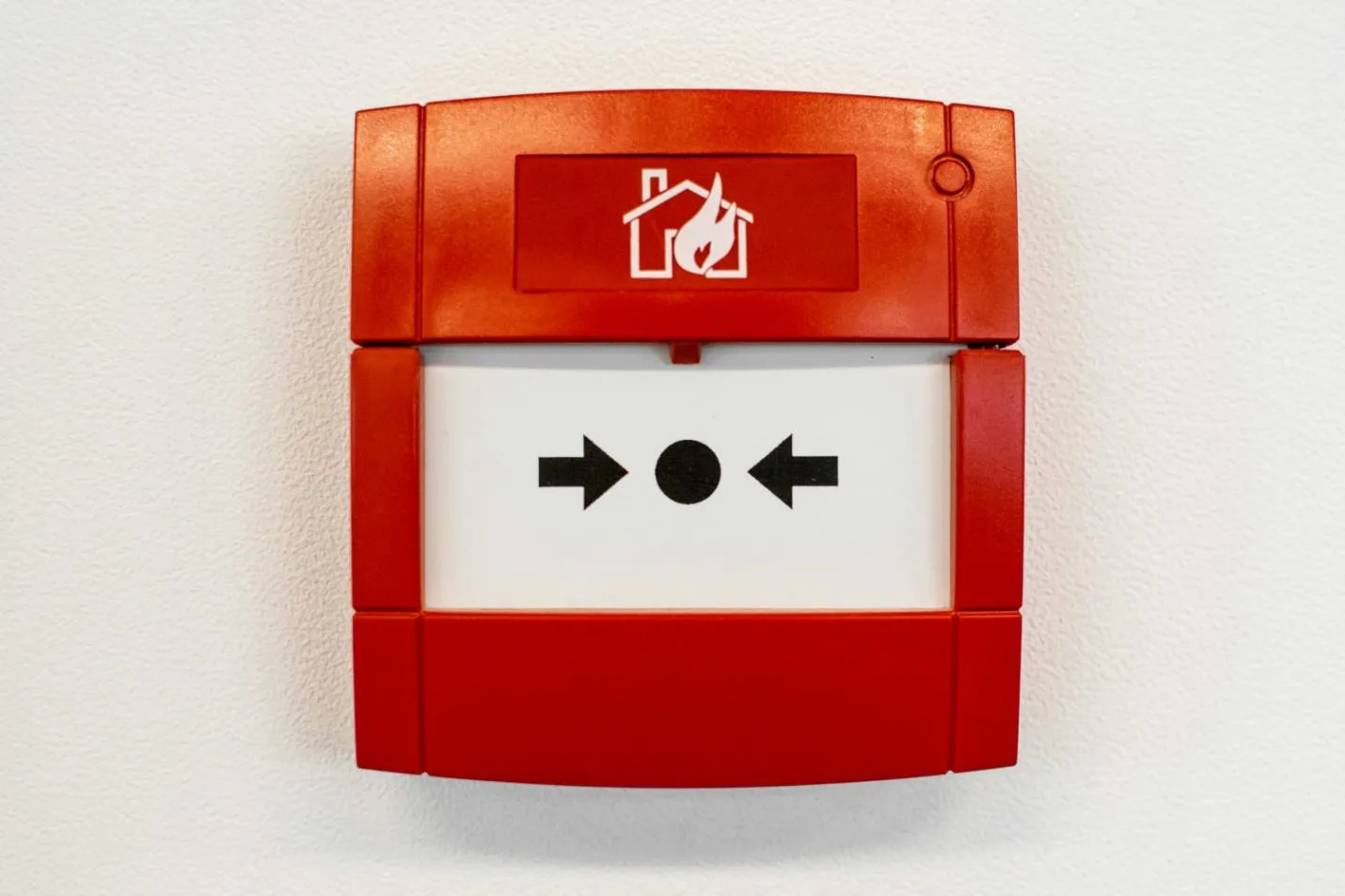
Businesses and many multifamily buildings often have a fire alarm system with a control panel, initiating devices such as smoke detectors, heat detectors, and pull stations, and notification devices such as horns and strobes. These systems are inspected and tested on schedules set by NFPA 72 and enforced by the local fire authority, often called the AHJ (Authority Having Jurisdiction).
Many devices and system functions are tested at least annually, while some items, such as certain visual checks and battery inspections, may be required more often. The exact schedule depends on the equipment, the building’s use, and local requirements, so it should be confirmed for each property.
What a Professional Fire Alarm Inspection Covers
A thorough inspection checks that the system actually works, not just that it looks normal. Depending on the system, that can include:
- Initiating devices: Functional testing of smoke, heat, and duct detectors and manual pull stations.
- Notification appliances: Confirming horns, speakers, and strobes activate as intended.
- Control panel: Reviewing signals, trouble conditions, and system programming responses.
- Standby power: Checking batteries and power supplies, including load testing where appropriate.
- Monitoring: Verifying that signals reach an off-site monitoring provider, where connected.
- Documentation: A written report of what was tested, the results, and any deficiencies.
Our fire alarm inspection, testing, and maintenance service follows this approach, and a failed result is never presented as a pass.
Warning Signs You Should Not Wait On
Some problems call for attention before your next scheduled inspection:
- Trouble signals on the control panel that keep returning
- Smoke alarms that chirp after a battery change
- Unwanted or unexplained activations
- Alarms older than 10 years, or with no visible date
- Recent renovations, new walls, or changes in how a space is used
How to Prepare for a Fire Alarm Inspection
A little preparation makes an inspection faster and more useful:
- Gather previous inspection reports, system drawings, and repair records.
- Arrange access to equipment rooms, offices, and other protected spaces.
- Let occupants know that horns and strobes may activate during testing.
- Coordinate with your monitoring provider so test signals are handled correctly.
What Happens if Something Fails?
A failed device is a finding that needs action, not a reason to panic. The report should identify the affected equipment, and the next step may be a repair, replacement, or further evaluation. If findings point to aging equipment or changed building use, a fire alarm system upgrade may be the better long-term fix. Retesting and AHJ follow-up may be required before the issue is resolved.
Schedule a Fire Alarm Inspection in Contra Costa County
J&A Pro Electric Services is a family-owned, licensed and insured electrical contractor with more than 20 years of experience. We help homes and small businesses across Contra Costa County keep their fire protection working, with clear reports, upfront quotes, and direct communication.
Learn more about our residential and commercial fire protection services or contact us to schedule an inspection.
Frequently Asked Questions
How often should a commercial fire alarm system be inspected?
Many devices and functions are tested at least annually under NFPA 72, with some items checked more often. Your local fire authority sets the requirements for your building.
How often should I test my home smoke alarms?
At least once a month using the test button. Replace the alarms themselves every 10 years.
Who can inspect a commercial fire alarm system?
Inspections should be performed by qualified personnel familiar with the system and local requirements. Some proprietary systems need manufacturer-specific tools or access.
Do I need to keep fire alarm inspection records?
Yes. Inspection and testing records help show compliance, track repairs, and plan future work. Your AHJ may ask to see them.